Remove Manual Execution Work from Logistics Processes
BLP helps logistics teams automate delivery note-driven workflows end-to- end, with more speed, control, and visibility.
Even when quantities, item data, and delivery conditions do not match the expected process, think of BLP as an AI teammate for your logistics team: it handles repetitive execution work reliably and fast, and brings in people only when judgment, approval, or review is truly needed.
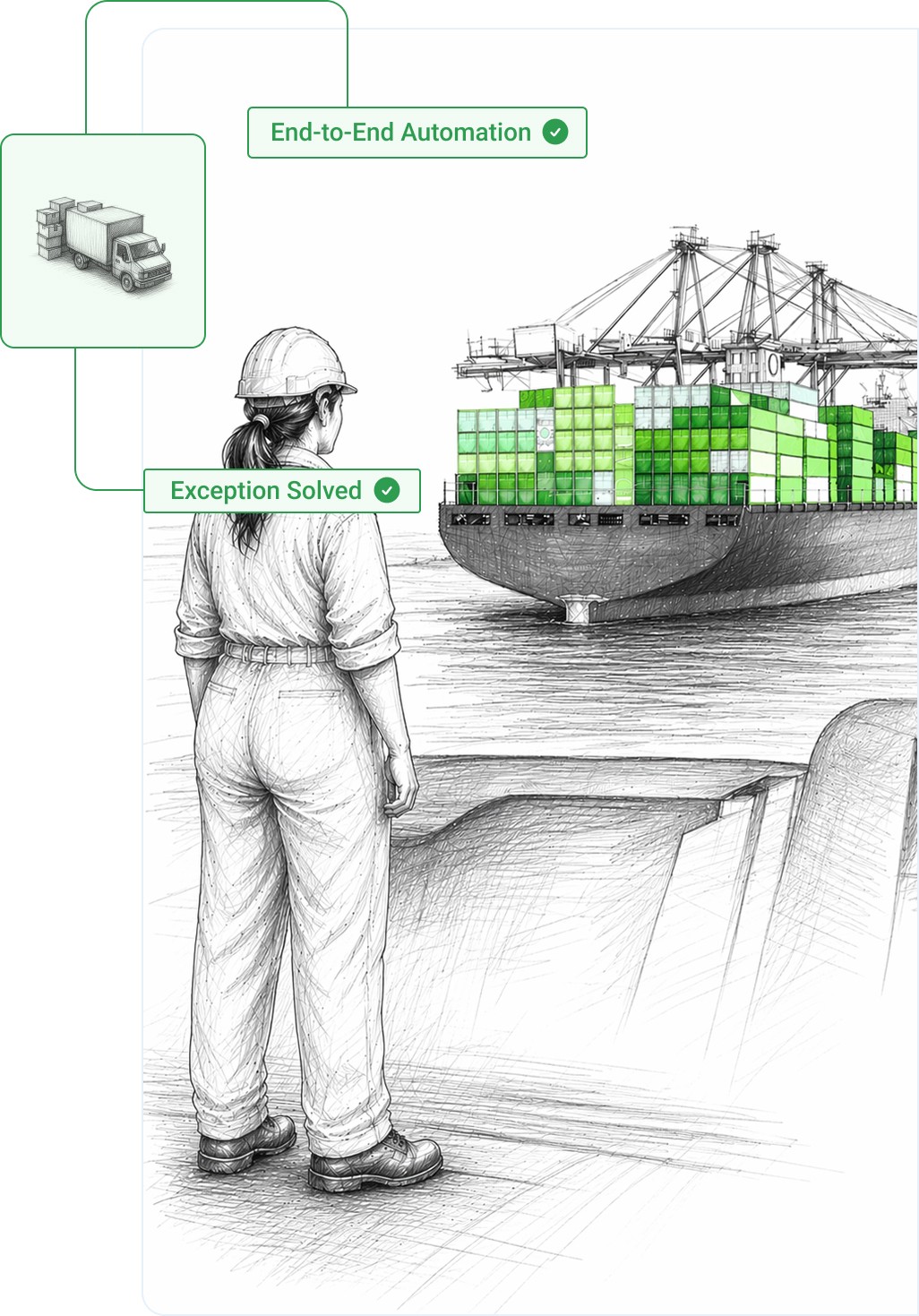
Logistics Automation Works, Until Delivery Reality Gets in the Way
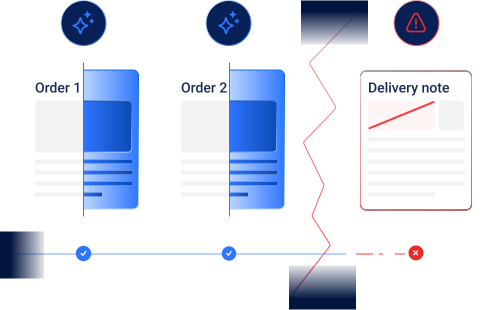
Most logistics teams are still slowed down by manual work that standard automation does not remove. Delivery notes arrive with missing item information, quantity differences, unit mismatches, split deliveries, or references that do not cleanly match the original purchase order. When that happens, the process can break: people have to step in to manually validate, correct, and move the workflow forward.
The Perfect Sales Order Process
Clean delivery data
Accurate matching against the PO
Smooth updates to quantities, items, and receipt status
What Actually Happens
Quantity differences, incorrect item references, and UOM discrepancies create manual follow-up
Exceptions create rework across validation, PO updates, and ERP data correction
Manual follow-up is needed
Why Traditional Logistics Automation Still Involves Too Much Manual Work
Most logistics teams have already tried to improve delivery note handling with OCR, ERP workflows, or workflow tools. These can help with standard cases, but they struggle when one delivery note references multiple POs, quantities are partial, UOM discrepancies require conversion, item descriptions are unclear, or additional unordered items need to be handled correctly.
That is why logistics teams still spend too much time checking delivery notes, changing POs, correcting item-level issues, updating ERP data, and following up manually to keep operations moving.
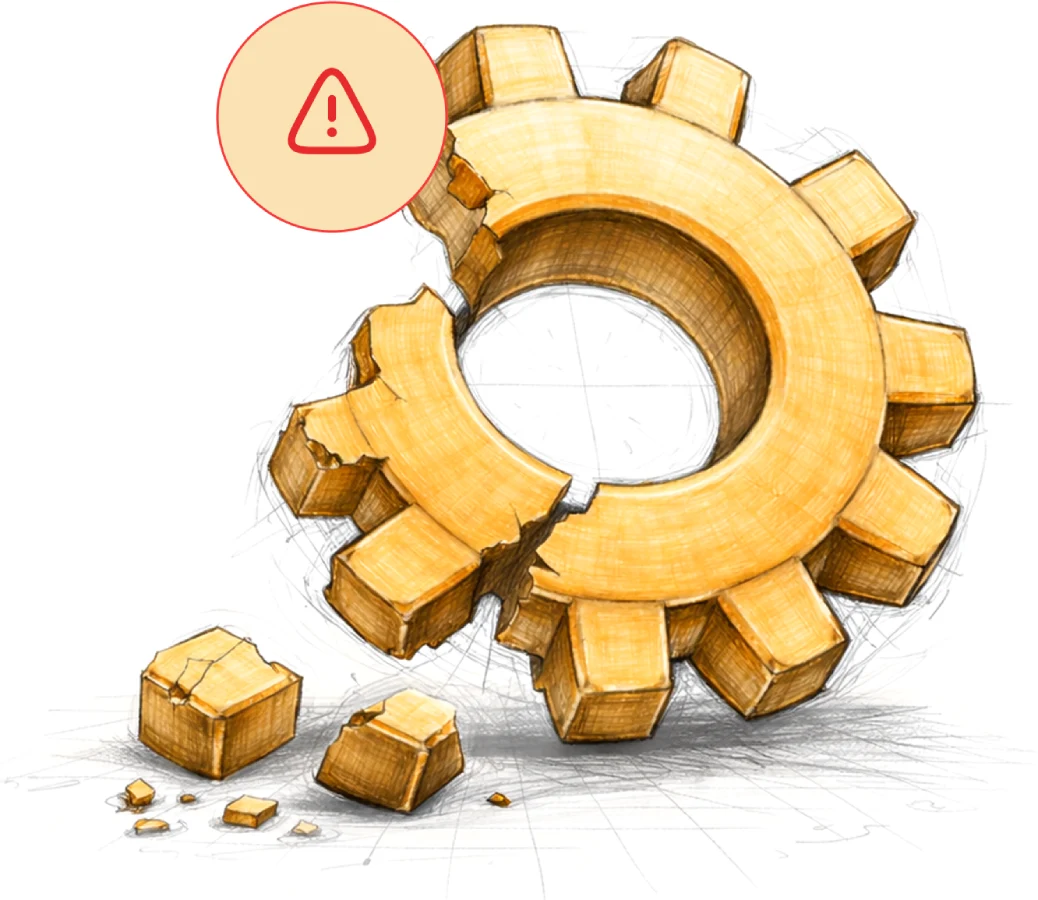
Typical Logistics Workflow


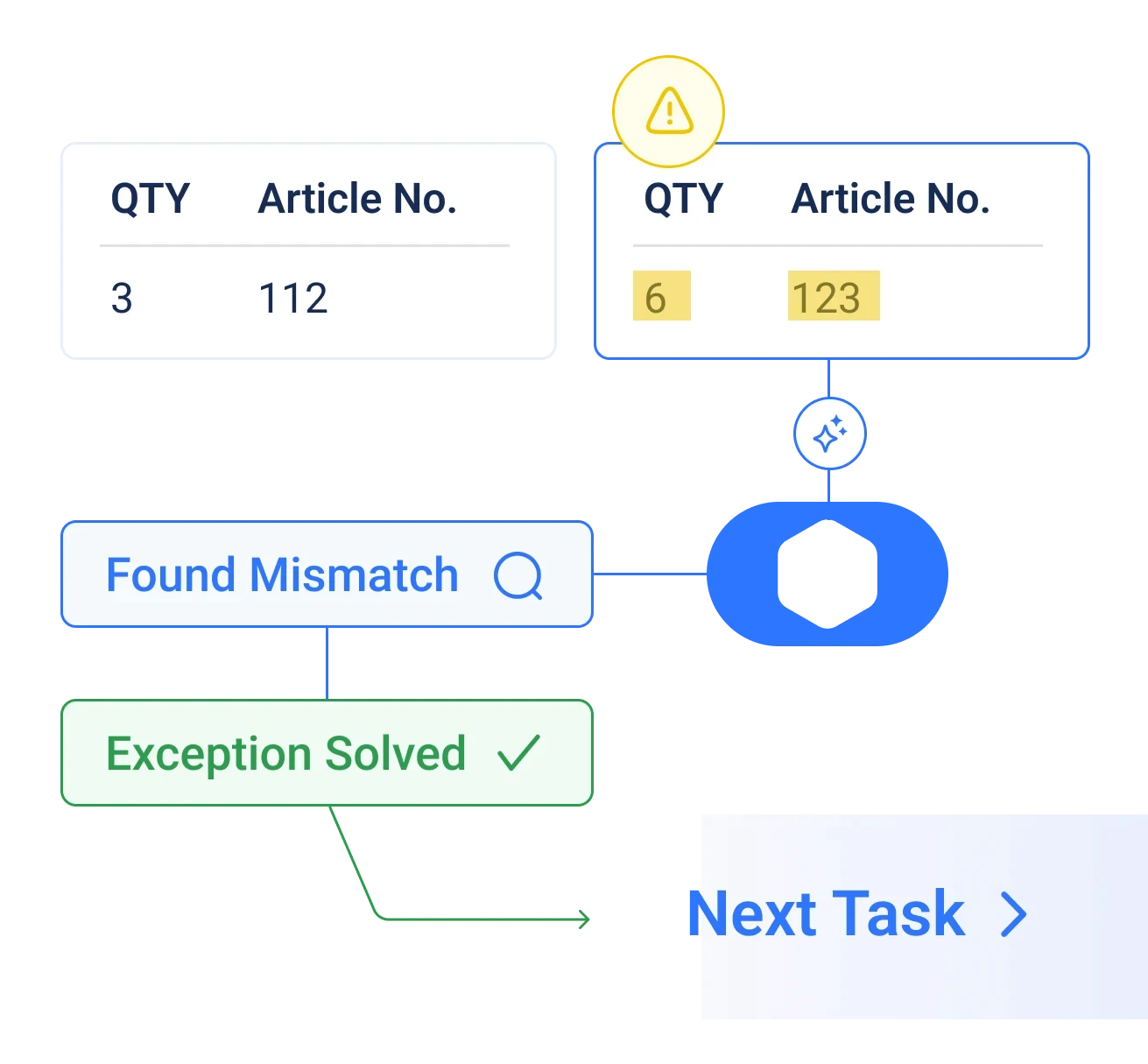

Built to Keep Logistics Moving
BLP removes the manual execution layer from delivery note-heavy logistics workflows. Specialized agents handle individual tasks, orchestration keeps the process moving across systems, validations, and exceptions, and the Digital Twin provides the context, logic, and controls needed for reliable, traceable execution.
That means logistics teams step in only when judgment or review is truly required. Everything else moves forward with greater consistency and less effort.
Full Control and Traceability
Every step is visible, auditable, and governed.
Improve data accuracy
Support compliance across processes
Complete governance of information
Execution That Doesn’t Stop
When something falls outside the standard path, BLP helps keep the workflow moving.
Reduce manual workload
Avoid operational bottlenecks
Built to handle exceptions
Consistency Across Logistics Workflows
The same logic, controls, and execution model apply across validation, coding, and approvals.
Reduce fragmentation
Improve process efficiency
Works within your existing system
Built for The Cases Traditional Tools Can’t Solve
Finance processes do not break on standard invoices.
They break on everything around them.
Matching multiple POs on a single delivery note
Managing split or consolidated deliveries
Handling missing or partial quantities in the ERP
Resolving unclear item descriptions
Converting units of measure to match the PO
Handling serial and batch numbers accurately
Accounting for additional unordered items such as pallets
Identifying missing or incorrect item information
Detecting deviations automatically at item level
Validating against PO and supplier master data
What This Changes for Logistics
For Logistics Team
Less manual validation against purchase orders
Faster handling of quantity, unit, and item-level deviations
Less time spent checking delivery notes position by position
More time to focus on the issues that actually need human attention
For Operations
More consistent handling of inbound delivery exceptions
Fewer delays caused by manual follow-up and ERP corrections
Better transparency across goods-related workflows
Less reliance on overloaded IT departments for process adjustments
For Business
Faster and more reliable operational execution
Better data quality across logistics and purchasing processes
Greater ability to manage workload with existing resources
Fewer correction loops caused by incomplete or inconsistent delivery data